
The Competitive Edge: Why Your Rivals Are Your Greatest Asset

In the New Zealand entrepreneurship scene, many view rivals with fear. They see a new local shop and worry their “slice of the pie” is shrinking. However, the truth is quite the opposite. Small business competition benefits everyone, from the owners to the customers.

If you want a resilient brand, you must change how you view your peers. Competition is not a threat; it is a signal of opportunity.

Competition Validates Your Niche

If you are the only person selling a product, you might not have a market. You have an experiment. When other Kiwi businesses enter your space, they provide “social proof.” They prove that New Zealanders are actively spending money on what you offer.

A crowded market means high demand. Research into the “Clustering Effect” shows that similar businesses actually perform better when located near each other. Think of how New Zealand “fashion strips” or food hubs/courts work. They draw more foot traffic because shoppers know they have choices.

High-angle view of a food hub showing multiple vendors sharing a space to attract more shoppers.

The Marketplace Multiplier: How Platforms Use Competition

A healthy marketplace is a busy one. In a digital environment, small business competition benefits the individual vendor by increasing the “gravity” of the platform. More sellers in a category mean more keywords are indexed by search engines. This draws in a much larger pool of motivated shoppers.

When a marketplace has twenty greenstone carvers instead of one, it becomes a primary destination for that product. Customers visit for the variety. They stay because they can compare styles and find exactly what they want. While you may feel like you are competing for the same click, you are actually benefiting from the collective marketing power of the entire group.

How Competition Drives Innovation

According to Consumer NZ trends, Kiwi shoppers are increasingly discerning. They look for value beyond just the price tag. Your rivals push you to refine your message. They force you to look at your shipping times and your brand story.

If you are the only seller, you can become lazy. When someone else enters the arena, you are forced to sharpen your tools. This constant pressure ensures your business stays relevant and professional.

The Victim View vs. The Growth Mindset

An infographic comparing a growth mindset (learning and effort) with a fixed mindset (limitations and failure) for small business owners.

I often hear owners complain they “can’t thrive” because the market is full. This is a victim point of view. It assumes your success depends on the absence of others.

In reality, success depends on your ability to pivot. Data from MBIE suggests that the most resilient NZ small businesses are those that adapt to market changes quickly. If someone does exactly what you do, do it better. Or, do it differently.

Feeling “pushed out” is a sign you have stopped innovating. Don’t wait for the competition to disappear. Use their presence to get better at your craft. If they focus on price, you focus on luxury. If they focus on speed, you focus on the personal touch.

Final Thoughts: Own Your Message

Stop looking over your shoulder with dread. Instead, look with curiosity. What can you learn? Where can you improve?

Small business competition benefits those who work hard. It weeds out the hobbyists and rewards the professionals. Embrace the hustle, refine your message, and remember: there is always room for those who provide true value.


The 10/90 Rule: Why Your Effort is the Real Key to E-commerce Success

Achieving E-commerce success New Zealand wide is a goal for many local makers. However, reaching that goal requires a clear understanding of how marketplaces function. I often tell our vendors that success is 10% the platform and 90% the effort you put in.

The Hive provides the infrastructure for your shop. However, your own “sweat equity” drives the actual results. Let’s look at how this balance works for local businesses.

The Foundation of E-commerce Success New Zealand Makers Need

I am proud to run The Hive as a one-woman show. I am a local business owner just like you. I handle the technical site maintenance, security, and payment processing. I also manage the curation that keeps our marketplace premium.

Because I am a solo founder, I rely on set processes. Our 3–5 working day approval window on our free plan and for new users ensures every listing meets our standards. This manual review is what maintains the quality our shoppers expect.

Infographic showing E-commerce success New Zealand

2025 Data: E-commerce Success New Zealand Trends

Despite a tough economic climate, local commerce is thriving. In 2025, the broader New Zealand retail sector faced significant pressure. According to Worldline NZ, core retail spending in December 2025 actually dipped by 0.2% compared to the previous year. However, The Hive’s specific data tells a much more positive story of E-commerce success New Zealand makers can celebrate:

  • Outperforming the Market: While national in-store spending remained flat, The Hive saw a 41.3% surge in active users. This shows Kiwi shoppers are actively migrating to niche, local marketplaces.
  • Record-Breaking Sales: Our 28.82% increase in sales during the first half of December stands in stark contrast to the national average. While many NZ retailers reported a “tough” end to the year, our community experienced its best season yet.

  • High Engagement Levels: Site “Events” rose by 42%. In a year where NZ Post noted that shoppers were “hunting for value,” our high engagement proves that customers find that value in local, handmade goods.

These figures prove that the audience is ready to buy. However, a high-growth platform is only one part of the equation. This data reinforces that your results are not just about being on the site.

True E-commerce success New Zealand wide depends on you taking the 10% foundation I provide and applying the 90% effort required to capture this motivated audience.

Understanding the “Numbers Game” and Conversion Rates

In the E-commerce success New Zealand market, a “good” conversion rate sits between 2% and 3%. The Hive maintains a healthy average conversion rate of 2.79%.

This means for every 100 people who view your shop, you can realistically expect 2 to 3 sales. To reach the higher end of this benchmark, you must focus on your 90%. This includes high-quality images and clear SEO.

Strategies for E-commerce Success New Zealand: The Royal Bee Plan

Our data shows that Royal Bee vendors see significantly better results. These vendors receive priority visibility on the site. They also tend to invest more energy into mastering our marketplace tools. If you find your business is outgrowing the free tier, upgrading offers features like Pre-Approval, ZERO Success Fee and Free Advertising slots.

Where the Market Opportunities Lie

Our 2025 research identified high demand in specific areas. If you are looking to grow, consider these categories:

  1. Fashion & Accessories

  2. Wholesale: This is our #2 most viewed category but remains the least crowded with products.

  3. Gifts & Personalised Products

Final Thoughts on Your Business Journey

The Hive is your stage, but you are the performer. I provide the tools and the audience, but the masterpiece is yours to create. True E-commerce success New Zealand wide is rarely accidental. It is the result of consistent, disciplined action.

If you choose our free plan, remember that it is a generous starting point. I offer this because I want to see local makers grow. However, a free platform requires you to be your own expert.

the hive is your stage but you are the performer

You must be willing to read the guides and implement the strategies I have shared. If you find yourself frustrated by the “written stuff” or the standard approval times, it is a sign that your business needs a higher level of support.

My time is a finite resource. As a solo founder, I must protect my energy to keep the platform stable for everyone. I love answering quick questions in our community. However, if you require a personal hand-hold or a deep dive into your specific store, that is a professional consulting service.

Choose your path forward today. You can spend your time mastering the free tools, or you can invest in the Royal Bee plan to save time. Either way, the 90% effort must come from you. By focusing on your branding, your SEO, and your persistence, you can turn those “eyes” into “buys.” Let’s make 2026 another record-breaking year for the Hive community!

Read more about our 2025 statistics here

How to Ruin Your Brand in 5 Minutes: Social Media Mistakes Kiwi Businesses Must Avoid

New Zealand might be a small country at the bottom of the world, but our digital footprint is massive. For Kiwi start-ups and small businesses, Facebook, Instagram, and TikTok are essential tools for reaching customers from Cape Reinga to Bluff.

However, social media is a double-edged sword. Used correctly, it builds fiercely loyal communities. Used poorly, it can destroy a brand’s reputation overnight.

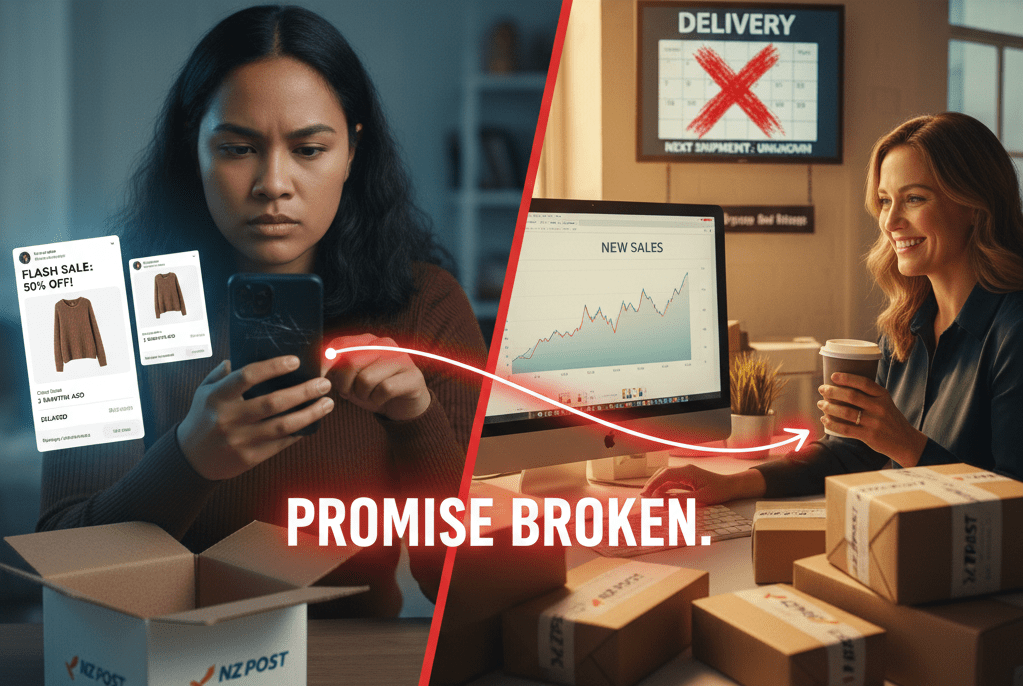
Recently, Kiwis on social media witnessed a masterclass in what not to do. A prominent online retailer went viral in local groups for all the wrong reasons: massive shipping delays, lack of transparency about when products were arriving, and—worst of all—publicly attacking customers who dared to ask, “Where is my order?”

In Aotearoa, word travels fast. If you are starting a business here, you need to understand that your digital reputation is your reputation.

This guide breaks down the essential social media do’s and don’ts to help your new business thrive, build trust, and avoid becoming the next negative viral thread.

The "Big Three" Mistakes to Avoid At All Costs

Let’s start with the behaviours that destroy trust the fastest. These are based on real-world examples of NZ businesses getting it wrong.

promise broken

1. The Don’t: Delivery Dishonesty and Punishing Loyal Customers

The origin of your stock (whether it’s dropshipped, sitting in your garage, or coming from a local wholesaler) does not matter—what matters is your promise to the customer. When a product is paid for, delivery becomes the central part of the contract.

The Mistakes (Applicable to all Stock Methods):

  1. “Shifting Goalposts”: Continually pushing back promised delivery dates (e.g., “It will ship next week… No, actually next month… Oops, try the month after that…”). Even if the delay is caused by a local supplier, poor communication makes your business look incompetent.

  2. The Insult to Injury: Putting products on sale to generate new cash flow while customers who paid full price weeks or months ago are still waiting for their delayed, unshipped orders. This is a fast way to make loyal customers feel penalised and undervalued, regardless of where your inventory is stored.

The “Do” Alternative: Be Radically Transparent and Respectful of Wait Times.

  • Communicate Delays Early and Often: If you miss a deadline, email an update immediately. Provide realistic, conservative timeframes instead of optimistic guesses. Use a dedicated “Updates” page on your website to centralise information, saving time for both you and the customer service team.

  • Implement Ethical Inventory Management: Do not advertise items as “in stock” or ready for delivery unless you have a confirmed ability to ship them within a guaranteed timeframe. If you sell made-to-order items, clearly state the manufacturing time plus the shipping time.

  • Honour Your Existing Customers: If you must run a sale, ensure all outstanding, paid-for orders are shipped first, or provide a special, exclusive incentive (like a discount on their next order) to those waiting customers to acknowledge the inconvenience. Never prioritise new revenue over fulfilling existing commitments.

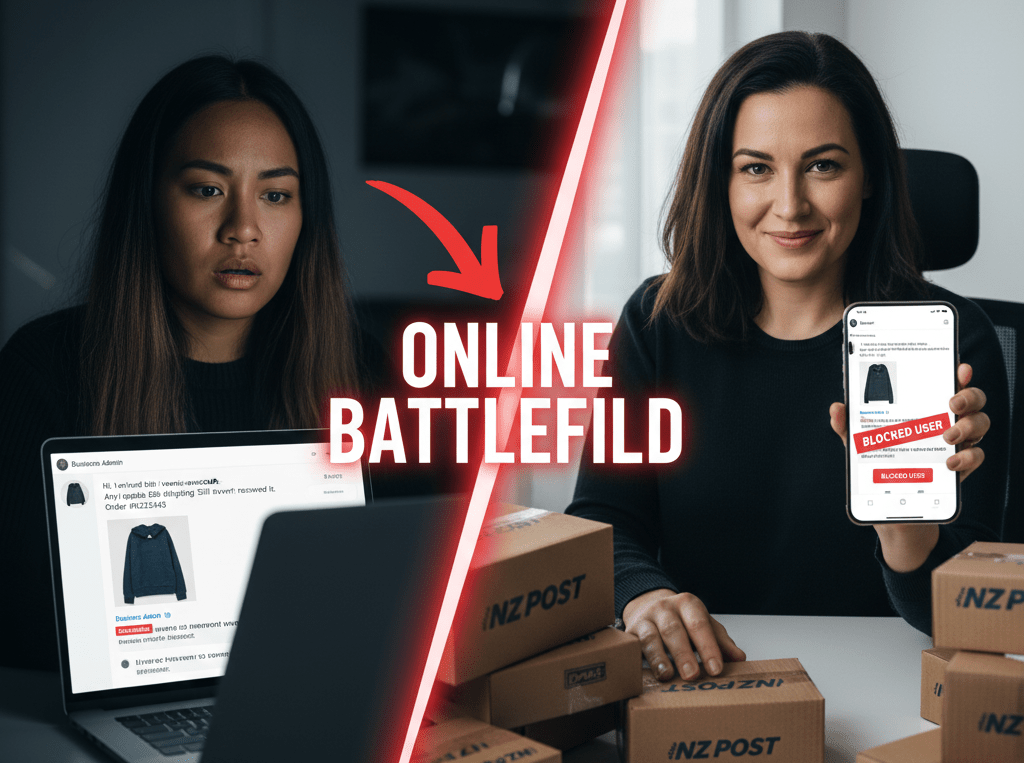
public battle on social media

2. The Don’t: Attacking or Blocking Customers Who Ask Questions

When a customer comments on your Facebook post asking about a delayed order, it is an opportunity to provide service, not a battlefield.

The Mistake: Responding to queries with defensive sarcasm, blocking the customer for asking a question, or deleting legitimate, non-abusive questions. This signals to everyone else watching that you have something to hide and that you don’t value your patrons.

The “Do” Alternative: Take It Offline Immediately and Always Remain Professional. Your standard public response should be polite and professional: “Hi [Name], I’m so sorry to hear your order is delayed. That’s not the experience we want for you. Could you please send us a private message (DM) with your order number so I can look into this immediately and resolve it?”

This moves the tension out of the public eye and shows other followers that you are responsive and helpful, even when under pressure.

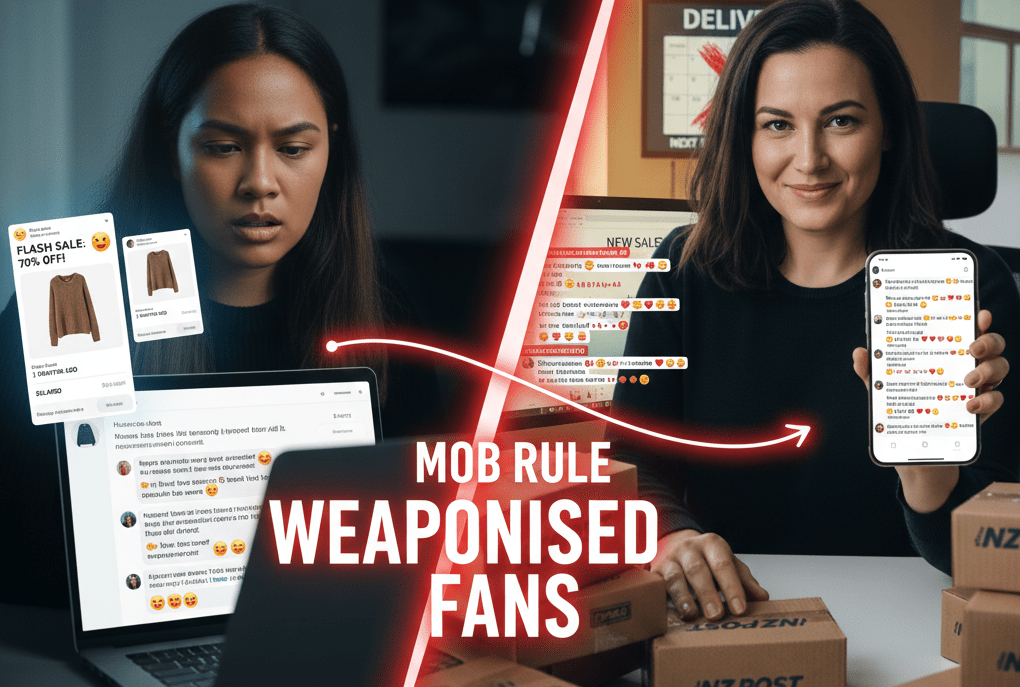
weaponised fans on social media

3. The Don’t: Weaponising Your “Fan Base”

Some businesses cultivate a small group of superfans. While community is good, it turns toxic when a business owner encourages those fans to pile on and bully anyone who posts a critical comment.

The Mistake: Allowing or encouraging your followers to attack another customer who asked a reasonable question. This creates a hostile environment that scares away potential new customers and damages your professional standing.

The “Do” Alternative: Moderation is Your Responsibility. As a business owner, you are the host of the party. If comments get nasty—from either side—it is your job to de-escalate. Never hide behind your fans to do your dirty work. Delete comments that violate decency standards and focus on resolving the original customer issue.

General Social Media “Do’s” for Kiwi Businesses

Moving beyond damage control, how do you actively build a great brand in NZ?

  • DO lean into your local identity. Kiwis love supporting local. Are you based in Wellington? Show the wind. In Christchurch? Show the rebuild spirit. Use appropriate Kiwi slang (authentically!) and celebrate local holidays or events. Show the faces behind the brand—the “garage startup” vibe resonates well here.

  • DO provide value beyond the “sell.” If every post is “BUY NOW! SALE ENDS SOON!”, people will tune out. Follow the 80/20 rule: 80% of your content should educate, entertain, or inspire your audience. Only 20% should be hard selling.

  • DO respond to positive comments too. Don’t just fight fires. If someone leaves a glowing review, thank them publicly! It encourages others to engage. A simple “Chur, thanks for the tautoko!” goes a long way.

General Social Media “Don’ts” for Kiwi Businesses

  • DON’T ghost your audience. Consistency is key. Posting five times a day for a week and then disappearing for a month looks unprofessional. Find a rhythm you can sustain, whether it’s three times a week or daily.

  • DON’T steal content. Did you see a great meme or a helpful infographic from another page? Don’t just save it and repost it as your own. Always credit the original creator. New Zealand is too small to get away with content theft for long.

  • DON’T ignore negative feedback (the constructive kind). Sometimes, negative comments aren’t “attacks”—they are valuable data. If five people complain that your website checkout is confusing, don’t get defensive. Fix the checkout.

Summary: Reputation is Everything

In the digital age, customer service is a spectator sport. How you treat one customer on your Facebook wall is how prospective customers assume you will treat them.

For starting businesses in New Zealand, integrity is your most valuable currency. Be honest about your processes, be kind when facing criticism, and remember that on the internet, nothing is ever truly deleted.

How can I get more sales

how can i get more sales for my small business

As the owner of a marketplace I get asked all the time: ‘how do I get more sales for my business?’ and often there is not just one answer. The good news with that is that you can implement many things right now – without it costing money – to increase your chances to get sales. Here’s some of the things I see most lacking or open for improvement with vendors/business owners.

Disclaimer; this blog is not for you if you’re too busy or not willing to invest time. These steps do require time; if you’re looking online for ways to increase your sales then I am guessing you have some spare time…?

There will be some thoughts specifically for marketplace store fronts; if you have your own website, you can apply these there as well.

The Market

Let’s start with the hard stuff, the stuff you can’t reaaaaally control; the economy.

It’s August 2025 right now and everywhere I see business owners ask ‘how can I get more sales’ and sometimes the answer HAS to be;

we just need to ride this out.

The fact your business is still open and you’re still hanging in there is a HUGE achievement for some of you and I don’t know if you realise this?

We need to keep in mind that a product’s price and target audience play a big role in ‘normal times’; selling a niche, high-priced item will naturally be harder than selling a product that’s perfect as a small, affordable gift…

These differences in what sells ‘better’ or ‘easier’ will be even bigger when we see financial tough times for the average customer.

During financially difficult times, consumer behavior shifts dramatically. People are more cautious with their money and move from being impulse buyers to being more thoughtful and deliberate in their purchasing decisions. This change in mindset directly impacts how many times they need to see a product or brand before they’re ready to buy.

focus on optimisation of all your content to increase your sales

Focus on Optimisation

The best way to get more sales is to really optimise your shop and product listings.  Why start here and not somewhere else in the process?

  1. It will help with getting found without ads.
  2. Your customers will land on something that intrigues and prompts their WANT and NEED, nothing worse than clicking on a link of something that seemed cool, only to have 5 questions and get the feeling you’re being scammed.

Vendors who see the most online Ecommerce success have high-quality photos, detailed product descriptions, and competitive pricing. They also make sure their profiles are complete and compelling. Taking the time to refine these elements puts you in a strong position to attract more customers.

This means you need to invest time to write or review things like;

  • Your product images; sometimes changing them up shows them in a totally different light to customers and all of a sudden it is a ‘new’ product to them.
  • Your product descriptions need reviewing and editing regularly; the world of online selling moves fast and sometimes staying up to date with the trends can help you write descriptions that’ll reach a bigger, buying audience.
  • Your pricing and hey, sometimes that means it has to go up! Don’t be afraid to do that in tougher financial times, not only do we NEED to make sure you make enough from your sales, it sometimes also sends the message that your product is worth more than another’s.
  • Your ‘about’ section, when is the last time you have reviewed and re-written it? maybe changed the images around? it doesn’t just look like a fresh page, it also prompts new finds for search engines. 
  • Your SEO.. this will be it’s own point below in this blog but it should be on your list of regular checks/improvements!

The Beauty of SEO

I know you’ve heard of it, there’s a HUGE amount of information about SEO online already so I won’t go into super detail (let me know if you would like to see a blog post that DOES cover the ins and outs on SEO).

But I do want to  – and need to; point out the value of it for small businesses.

Standing out among big players is pretty hard in this ever changing online world and when it comes to reputation, reliability, ‘knowing what you get’, it’s just much harder for small businesses to be remembered and memorable. This is where SEO can be your friend!

It’s the information you put within the back end of your content like products, blog posts and information pages that is then used as a guide by search engines like Google to put your content in front of customers.

There’s a few vendors on this marketplace who have done such a good job with their SEO which The Hive then boosts even more with our own SEO work, that they outrank their own website’s results! These are businesses that don’t necessarily do all the promoting and link sharing yet they have weekly or some even daily orders of certain products.

This CAN be you too! I promise, learning about SEO can be really fun and it helps you with other areas of your business as well as you start understanding your place within the market better. You absolutely do not need to hire an SEO expert to do the work for you and if you have the funds to hire someone; don’t go for the flashy ones with the big promises.

The Power of Promotion

Getting more sales is all about getting in front of the right buyers. Have you considered how you can promote your products both on and off our platform? Sharing your listings on social media, in relevant online communities, or with your existing network can drive a significant amount of traffic directly to your shop. The more you promote, the more potential buyers you’ll reach.

Based on e-commerce and marketing data, it’s highly unlikely that your audience will find your store/shop page if you aren’t actively directing them there. Without direct links or specific promotion, that number is going to be close to zero.

Simply put; people follow links. If you don’t provide any, they won’t know where to go.

There’s a PLETHORA of Facebook groups where you can promote your business and products for free. Most of the time you just need to follow a template and help promote the group with others but it’s FREE, so why not use them?!

The Shop Small New Zealand group is one of ours that you’re free to promote your business in!

customer engagement drives sales to your ecommerce store

Customer Engagement

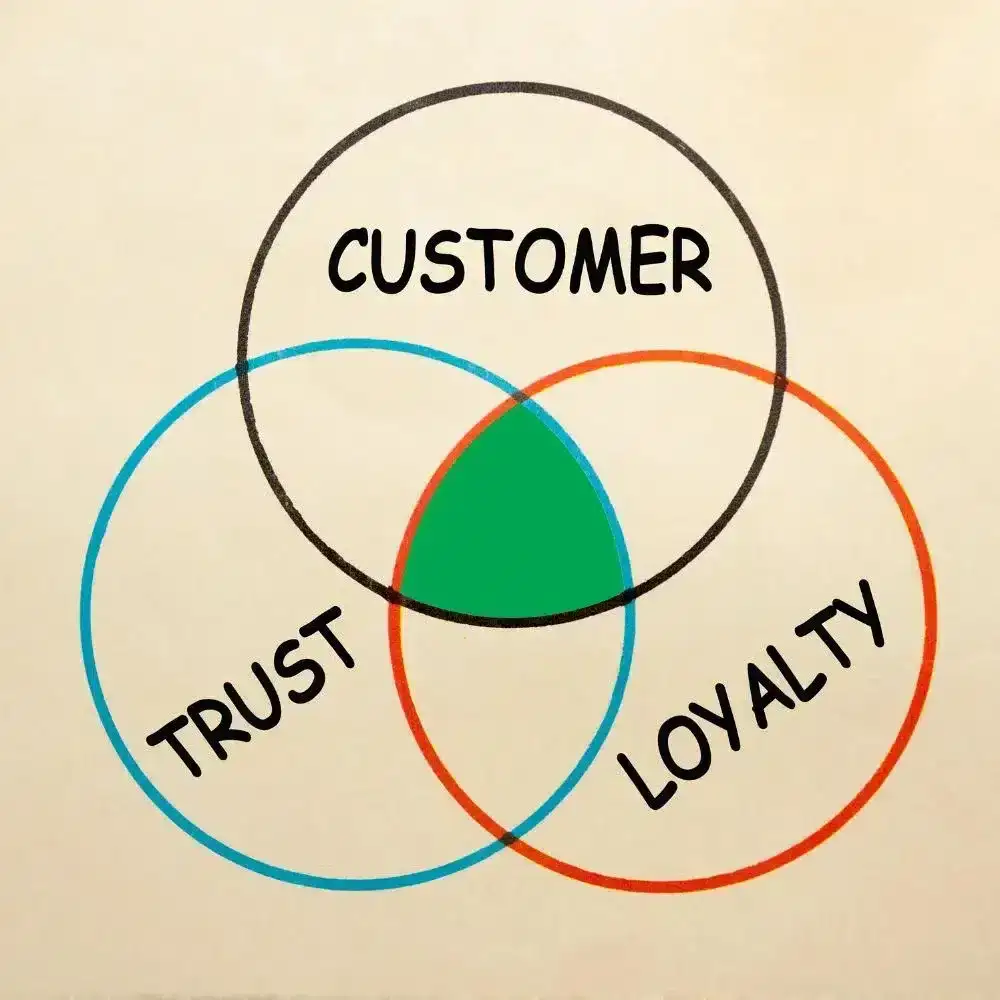
A key factor in increasing sales is building trust and a loyal customer base.

How are you engaging with your customers and responding to reviews? Vendors who actively communicate with buyers, provide excellent customer service and encourage positive reviews often see a ripple effect.

On social media, engagement means something a little different; how people are interacting with your content and brand on social media platforms. It’s not just about how many people see your content, but how they actively participate with it.

 Customer engagement plays a HUGE part in the traffic on your socials and from there to your online shop. More happy customers engaging with your content increases the likelihood of others trusting your brand to go buy.

Happy customers come back for more and are more likely to recommend your shop to others.

Growth Perspective

The vendors who are most successful on our platform treat their shop like a small business rather than a side hustle or a hobby and are always looking to grow and do better.

They are constantly experimenting and learning, finding out new ways to become better at what they do and better at things they’re not so good at… yet.. Always looking at ways to diversify to find other avenues of revenue.

My best advice would be to track what works and double down on it. Look at your analytics to see which products are getting the most views and sales, and then figure out how to improve the listings for your other products.

Asking for other people’s views – especially those with experience and knowledge – will help you see things you might not have, yet.

You can also try running a small promotion or creating a bundle to see if it boosts interest.

Investing in Growth

The vendors with the most sales are typically those who are highly visible and sometimes to stand out more, to be seen more, you need to invest some funds. As an example; While our free plan is a great way to get started, our paid plan offers powerful tools and features designed to increase your visibility and sales.

It gives you access to featured spots on our homepage, advanced marketing tools, your business in prime spots on vital pages of the site, just to name a few things (read more about them here).

While you can thrive with our free plan; you can’t ask for Champagne on a beer budget.

We can bring the audience to your storefront, but your sales numbers are directly related to your own efforts in converting those visitors into customers with your listings’ images, descriptions and the other things you have the ability to optimise as shared in this blog. Many vendors find that the investment in a paid plan quickly pays for itself with the increase in sales they see.

This blog is written for you by Hive Grow; the business support side of The Hive NZ. With the experience of owning businesses and supporting others in business for well over 20 years, we bring blog posts with practical, actionable steps for you to take on a small budget.

Some other blog posts for small business owners:

Essential Financial Metrics to Track as a Small ECommerce Business Owner

Mastering Your Business Finances; Essential Financial Metrics to track for Small Ecommerce Business Success

When I ask the average small business owner what sort of tracking they do within their business to get a detailed view on their finances, audience, reach, etc. the result is usually a deafening silence.

When we dig a little deeper, the main reason for the lack of tracking usually is that they don’t really know what to track, how to track it OR how to then use the metrics/data to grow their business. 

There’s lots of important metrics to track as a small ecommerce business owner, today I will focus on your financial metrics.

essential financial metrics to track for your small ecommerce business can be confusing

As a small business owner, keeping a close eye on and tracking your essential financial metrics is crucial for success and the longevity of your business. Proper financial tracking helps you make informed decisions, manage cash flow, and identify growth opportunities. 

HERE ARE THE KEY TYPES OF FINANCIAL METRICS YOU SHOULD MONITOR THROUGHOUT THE YEAR FOR YOUR SMALL ECOMMERCE BUSINESS:

Tracking your revenue as a small ecommerce business

1. Revenue
Revenue refers to the total $ amount coming in from your business activities, such as sales of products or services. Tracking revenue helps you understand the ups and downs in business which you will – inevitably – encounter.
Tips for Tracking Revenue:

  • Use accounting software like Xero or Henry to automate revenue tracking.
  • Regularly analyze sales reports to identify trends and patterns.
  • Compare actual revenue against your financial goals.

2. Expenses
Monitoring your expenses is vital to ensure your business stays within budget and maximizes profits. Expenses can include supplies/materials, hosting, email, advertising, salaries, marketing costs, and more.
Tips for Tracking Expenses:

  • Write down and categorize expenses for better analysis and control. 
  • Review and update expense records regularly.
  • Continuously identify areas where you can cut costs without compromising quality.

.

tracking your expenses as a small ecommerce business owner
tracking your cashflow as a small ecommerce business owner

3. Cash Flow
Cash flow is the net amount of cash moving in and out of your business. Positive cash flow indicates your business can cover its expenses, while negative cash flow may signal financial trouble.
Tips for Managing Cash Flow:

  • Create a cash flow forecast to anticipate highs and lows.
  • Create strategies to speed up receivables and delay payables.
  • Maintain a cash reserve for unexpected expenses.

4. Profit and Loss
A profit and loss statement (P&L) provides a summary of your revenues, costs, and expenses over a specific period. It shows whether your business is profitable.
Tips for Analyzing Profit and Loss:

  • Review P&L statements monthly to monitor financial health.
  • Compare current P&L with previous periods (or same period previous year) to assess growth.
  • Use P&L data to make strategic decisions about pricing, cost-cutting, and expanding.
tracking your profit and loss as a small ecommerce business owner
tracking your conversion rate as a small ecommerce business owner

5. Conversion Rate
Conversion rate refers to the percentage of website visitors who complete a desired action, such as making a purchase. Tracking it is essential because it helps you evaluate the effectiveness of your marketing strategies and optimize them to increase sales and customer engagement.
Tips for Tracking Conversion Rate:

  • Use tools like Google Analytics to track user behavior and conversion metrics.
  • Define and monitor conversion funnels to understand the customer journey.
  • Implement A/B testing, a research method that compares two or more versions of funnel to determine which performs better. 

6. Inventory
If your business deals with physical products, managing inventory is crucial for controlling costs and meeting customer demand.
Tips for Inventory Management:

  • Use inventory management software to track stock levels of products as well as materials (or implement excel files to achieve similar).
  • Analyze inventory turnover rates to optimize your materials/supplies purchases.
  • Reduce excess inventory to generate cash flow.
inventory tracking as a small ecommerce business owner

Tracking these essential financial metrics, you can maintain a strong financial foundation for your small business, driving growth and ensuring long-term success.

In our next blog, we will go into more detail on other metrics you can track to keep a close eye on how your business is doing throughout the year, how healthy your small ecommerce business is and what strategies you can apply based on those metrics.

OTHER BUSINESS ADVICE BLOGS YOU WANT TO READ:

ARE YOU READY TO START YOUR OWN BUSINESS?

In a Facebook group I am a part of someone recently posted they had launched their business a day before and had no sales yet, they were expressing how anxious they felt and already feeling like they wanted to give up.

There was SO much I wanted to say to her but the post got removed and so it sparked this blog post here (as well as other future ones), so if you are thinking about starting a business or you just started one and you want to know if you’re ready, then this blog post is definitely for you!

running ready into owning a business

Deciding to own a small business is a big leap, and knowing when you’re truly ready for it involves a blend of practicality, passion, and preparedness.

It’s like knowing when you’re ready to run a marathon. You wouldn’t just wake up one morning, lace up your sneakers, and hit the 26.2 miles without any training, right?

Similarly, diving into the world of small business ownership requires a bit of a warm-up and some serious soul-searching.

LET'S TALK MONEY

We’ve got to talk about the financial side of things first because, let’s face it; money talks. Are your finances in a healthy place? This doesn’t just mean having the capital to start your business or secure a loan IF you need to buy stock for example. It’s also about having a solid financial plan and a cushion for those initial months or even years when the business might not be profitable. It’s kind of like packing an extra pair of socks for a hike. You hope you won’t need them, but you’ll be glad they’re there if you do.

Having said that, it’s a common misconception that starting a business requires a hefty bank account or a rich nana ready to throw cash your way. The truth is, while having some capital can certainly ease the process, it’s not an absolute necessity.

The digital era has significantly lowered the entry barrier for many types of businesses. For instance, if you’re leaning towards offering a service, such as consulting, writing, or graphic design, your initial costs are surprisingly low. All you really need is a laptop, an internet connection, and your unique set of skills. Plus, there are countless free resources online to help you hone your craft and learn how to market yourself effectively. Social media platforms, in particular, offer a fantastic, cost-free way to get your name out there and start building a client base. Also, remember; to start you don’t have to have it all, it is ok to start with low stock, to promote using mock-up images, it’s ok; it doesn’t have to be perfect straight away.

Then, there’s the power of bootstrapping too. This approach involves starting small, reinvesting your early earnings back into the business, and growing organically. It might mean slower growth at first, but it allows you to maintain control and learn the ins and outs of your business without the pressure of paying back loans or investors.

In essence, the barrier to entry isn’t about how much money you have; it’s about your willingness to start with what you’ve got and grow from there. With a bit of creativity, persistence, and the right strategy, you can turn your business idea into a reality, no matter your financial starting point. So, don’t let the myth of needing a lot of money hold you back.


IT'S NOT JUST A JOB

Then, there’s the passion and the skills. Owning a business isn’t just a job; it’s a lifestyle. Do you feel a strong passion for what you’re planning to do? Are you ready to wake up thinking about your business, spend the day working on it, and go to bed with plans for the next day? Plus, it’s essential to have or be willing to develop the skills necessary for your particular business. Imagine you’re joining a band. It’s not enough to love music; you need to know how to play an instrument or sing.


HOW'S YOUR FLEXIBILTY?

Lastly, are you prepared to learn, adapt, and sometimes fail? The road to successful business ownership is rarely a straight line. It involves making mistakes, learning from them, and being flexible enough to adapt your strategies as you go. It’s a bit like playing a video game where you have to navigate through various levels, facing new challenges and learning new skills along the way.

SO... ARE YOU READY?

So, are you ready to own a small business? If you’ve got a solid plan, financial stability, unyielding passion, the necessary skills (or the drive to learn them), and the resilience to face challenges head-on, you might just be ready to take the plunge. Remember, it’s about the journey as much as the destination.

Your entrepreneurial journey is waiting for you, and there’s no better time to start than now.


Enjoy the ride!

a summary of the qualities you need to start a business

YOU'RE INVITED!

There’s two groups on Facebook that will benefit your business and I want to warmly invite you to join them!

I am very aware small businesses are doing it tough out there and by offering these groups I am giving you more opportunities to grow, to connect with other business owners and  massive sense of community because you are not alone out there!

The first Facebook group I would love you to join is Shop Small New Zealand , this is a group where small businesses from New Zealand are welcome to post daily – for FREE – about their business and their products. You can join for free and post for free, all we ask is that you help us grow the group because the bigger it gets, the more active audience we have, it benefits us all!

At the time of this blog post there’s already 7600+ members in the group with about 72% of them being active in it on a regular basis!

The second group on Facebook – also free to join – is my Learn>Grow>Sell group. This one is more for your business support, it’s where you – as a small business owner or someone who is thinking about becoming one – can ask any question you might have related to (your) business and I’d like to add; nothing is ever a dumb question; we have either all asked the same question before OR are wondering about it ourselves right now! It might surprise you how many other people you help by asking your questions 🙂

We’re a very friendly community too, it is important to me that you feel safe to grow your business with the help from the group.

HOW JOINING A MARKETPLACE CAN BENEFIT YOUR BUSINESS

Here at The Hive NZ, we’re true fans of our marketplace of course… but why do we think all business owners should consider joining ours?

Diving into the world of marketplaces can be a game-changer for your business. Think of it as not just opening another door, but multiple doors, to a room filled with potential customers, collaborators, and opportunities.


Let’s break down ways a marketplace – like The Hive NZ – can really boost your business.


First off, exposure is key. By listing your products or services on a marketplace, you’re essentially putting yourself on a much larger map. This isn’t just about being seen by more eyes; it’s about being discovered by the right eyes. Customers who might never have stumbled upon your standalone website can find you easily on a marketplace. It’s like having a shop in a bustling market street instead of a hidden alley.

Then there’s the trust factor. Marketplaces – like The Hive NZ – have built-in trust because they offer customer reviews, secure payment systems, and buyer protection policies. When you’re part of a reputable marketplace, new customers might be more inclined to give your products or services a try, simply because they trust the platform. It’s a bit like riding on the good reputation of a well-loved market square.

Collaboration opportunities are another big win. Being part of a marketplace puts you in a community with other vendors and service providers. This can open doors to partnerships, cross-promotions, and collaborations that you might not have found otherwise. Imagine combining forces with a complementary business for a special promotion—both of you benefit from expanded reach and shared resources.

Great marketplaces – like The Hive NZ – offer you full access and ability to edit your SEO for your store, your socials and your products.
SEO, or Search Engine Optimization, can be a game-changer for you as a vendor in a marketplace. First off, think of SEO as the ultimate tool for visibility in the digital age. When your products or services are optimized for search engines, they are more likely to show up at the top of search results. This means that when customers are out there searching for something you offer, your stuff pops up first. It’s kind of like having a billboard on the busiest highway, but way more targeted. This increased visibility directly translates into more traffic, and more traffic means more potential sales. It’s a chain reaction that starts with smart SEO.
Not just that but also; as all vendors on the marketplace use the SEO to benefit – as a whole – collaboratively you pull more traffic in which benefits everyone; more traffic for all = more sales for all.

Let’s not forget about the insights. Marketplaces – like The Hive NZ – provide valuable data and analytics about your sales, customer behavior, and market trends. This information can be gold dust for refining your offerings, tweaking your marketing strategies, and even developing new products or services. It’s like having a bird’s-eye view of the market landscape, which can help you make smarter decisions.

Lastly, efficiency is a major plus. Efficient marketplaces – like The Hive NZ – offer tools and services that streamline operations, from inventory management to easy shipping settings. This can save you time and resources, allowing you to focus more on product development, marketing, and customer service. It’s the equivalent of having a team of helpers, making sure the back-end of your business runs smoothly while you focus on growth.


In a nutshell, tapping into the power of a marketplace can offer visibility, credibility, community, insights, and operational efficiency. It’s a strategic move that can help your business reach new heights. So, why not explore the possibilities and see where this marketplace can take you?


READ MORE ABOUT JOINING THE HIVE NZ